Published By BHF | December 8, 2025
Authors: Moses Kyangwa, Dr. Gastone Tumuhimbise, Prof. Peter Waiswa, Boona Racheal
Executive Summary: The Luuka Model of Co-Creation
The initial feasibility study, supported by Grand Challenges Canada (GCC), successfully developed and validated an integrated model designed to prevent childhood malnutrition in Luuka District, Eastern Uganda. This innovation yielded a culturally acceptable, nutrient-dense complementary food prototype, Sample 520, alongside a functional, community-embedded service delivery framework. The findings confirmed that achieving sustained nutritional improvement in a region where 25% of children under five years (U5) suffer from stunting requires addressing malnutrition as a complex, multi-sectoral, or “systems problem,” rather than simply a matter of food scarcity.
The project’s co-creation approach successfully engaged local expertise and generated critical data. This initial phase involved 545 direct beneficiaries and mobilized 656 key intermediaries, including Village Health Team (VHT) members and district leaders, establishing a powerful social and institutional network. Key outcomes include the scientific validation and selection of Sample 520 based on superior sensory qualities (flavour, texture, and aroma) preferred by the community, and the identification of intersectional vulnerabilities—such as pervasive food taboos and deficiencies in hygiene—that necessitate integrated, non-food interventions. The established forward path prioritizes rigorous field and clinical trials, optimization of localized manufacturing capabilities, and extensive policy advocacy to translate this proven feasibility into scalable, national-level impact.
1. Contextual Imperative: Addressing Chronic Malnutrition in Eastern Uganda
1.1. The Critical Window: Malnutrition Rates and the 1,000-Day Opportunity
The foundation of the Luuka project is rooted in addressing Uganda’s persistent public health crisis of chronic malnutrition, specifically targeting the internationally recognized “1,000 days” window—from conception up to a child’s second birthday—where interventions yield irreversible positive impacts on growth and cognitive development. Interventions during this crucial period are paramount because virtually all stunting occurs within this time frame.
The quantitative burden of malnutrition in Uganda remains unacceptable. Nationally, 33% of children under five years of age are stunted,14% are underweight, and 5% are wasted. The project’s operational area, the East Central sub-region encompassing Luuka District, suffers from particularly acute rates of chronic malnutrition. Local statistics reveal that 33% of U5 children are underweight, 17% are stunted, and 5% are wasted. Furthermore, data collected during the proposal phase showed alarming prevalence of micronutrient deficiencies in Eastern Uganda, with 58% of U5s and 28% of women of reproductive age suffering from anaemia.

Research Assistants during during field pretest.
The elevated anaemia rate in the target region highlights the necessity of developing an intervention that rigorously addresses micronutrient density, specifically iron and zinc, in addition to protein and energy content. Anaemia significantly compromises immunity, increases susceptibility to infectious diseases like malaria, and limits cognitive development. Any supplementary food intended for this population must inherently address these high prevalence micronutrient gaps to demonstrate substantial health efficacy in future efficacy trials. This aligns the project directly with national policy goals, particularly the Uganda Nutrition Action Plan (UNAP) and the broader objectives of the Health Sector Strategic Plan (HSSP III). These policies recognize that malnutrition represents a severe economic drag, costing the nation approximately 5.6% of its Gross Domestic Product (GDP) in 2009 alone, thereby reinforcing the urgent need for impactful and scalable solutions.
1.2. The Socio-Economic and Agricultural Landscape of Luuka District
Luuka District, situated in the Busoga sub-region, presented a complex environment characterized by reliance on traditional agriculture and a fragile economic structure. The area is primarily agricultural, cultivating staples such as maize, sweet potatoes, cassava, rice, millet, beans, groundnuts, and various green vegetables. This local availability is fundamental to the project’s design, ensuring that the nutrient-dense product could be produced affordably and sustainably without reliance on external supply chains.
Pre-existing traditional food preparation methods were noted, including nutrient-combining practices like Mixed beans + Silver fish (Mukene) and Ground Nuts + Silver fish + Posho/Sweet Potatoes. The identification of these indigenous premixes and food pairings validated the cultural acceptability of blending local protein sources with staple carbohydrates, confirming a pre-existing social foundation for the product development strategy. The successful innovation trajectory inherently depended on anchoring the scientific formulation within these local, traditional techniques.
The existing local health infrastructure, comprising five local health units, depends critically on the Village Health Team (VHT) network for community outreach. This network of community workers was identified early in the project as the only feasible and reliable conduit for delivering long-term behavior change communication (BCC) and for distributing the product, thereby shaping the integrated delivery model developed under the grant.
2. The Integrated Design: Scientific Rigour and Community Systems
2.1. Pillars of the Integrated Model: Food Innovation, Delivery, and Participation
The project intentionally adopted an integrated, multi-sectoral approach after acknowledging that singular food product interventions rarely succeed in tackling deeply embedded malnutrition. This paradigm defined malnutrition as a complex issue rooted in political, social, and economic deficits, necessitating solutions combining different scientific fields.
The integrated model rested on three core pillars:
- Product Development: Scientifically formulated, nutrient-dense food made entirely from locally sourced ingredients.
- Service Delivery: A community-anchored distribution and behavioural change model utilizing VHTs, district officials, women’s groups, and caregivers.
- Participatory Process: A collaborative development structure ensuring the final product was deemed acceptable, affordable, and feasible for rapid adoption in rural households.
The implementation was a joint effort between the Makerere University School of Public Health (focusing on public health and behaviour change) and the School of Food Technology, Nutrition and Bio-engineering (MakSFTNB), responsible for the scientific food development. This necessary collaboration ensured that technical development was constantly filtered through the lens of social and public health reality.
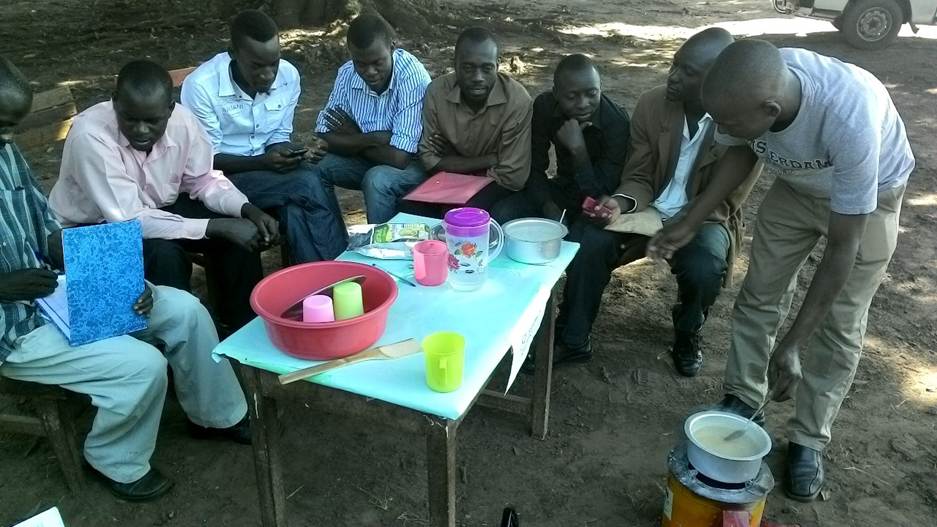
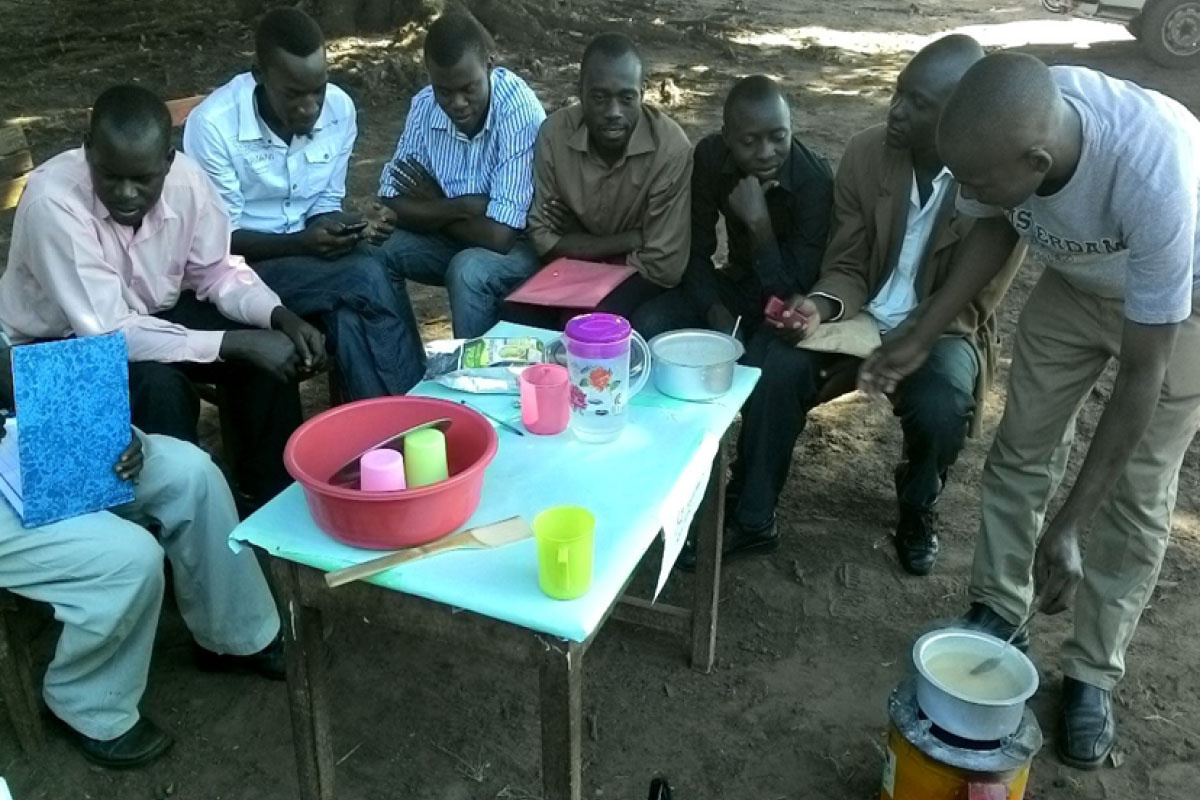
A section of the participants attentively observe cooking demonstration
2.2. Foundational Objectives and Collaborative Structure
The project’s feasibility phase involved rigorous initial objectives, including conducting participatory assessments (PRRA) to capture existing practices, establishing baseline nutritional status measurements, and undertaking the critical product development and sensory testing process.
The food science team initiated the process using NutriSurvey software to create six preliminary flour formulations based on local ingredients, carefully balancing energy, protein, and micro-nutrient content to meet the high demands of pregnant women, lactating mothers, and children aged 6 to 24 months.
3. Achievement I: Developing a Culturally Resonant Food Prototype
3.1. Formulation Science: Leveraging Local Staples and Traditional Processing
The selection of ingredients utilized locally available foods in Luuka, including staples (maize, rice, cassava), legumes (beans, soy, groundnuts), protein sources (small fish/Mukene), and supplementary nutrients (sugar, micronutrient premix). All raw materials were purchased directly from local markets to promote local economic activity, linking the health intervention to socio-economic development through a model of social entrepreneurship.
A critical technical component involved adapting and enhancing traditional food processing techniques to maximize nutritional value. Specifically, major ingredients like maize and beans underwent germination (malting). This step is vital because germination increases the digestibility and nutrient bioavailability, reduces anti-nutrients (such as phytates), and makes the food richer in vitamins, minerals, and amino acids. Beans and cowpeas were also roasted to improve flavor, while all ingredients were meticulously sun-dried to ensure a low moisture content before milling. Reducing moisture content is a fundamental strategy for increasing product shelf life and preventing the proliferation of toxic contaminants, such as aflatoxins and fumonisins, which are commonly associated with moldy kernels in stored crops like peanuts. This emphasis on safety engineering prolonged the overall Phase I timeline to one year, rather than the anticipated six months, as the principal investigator deemed it essential to conduct rigorous product safety tests before initiating community piloting—an important ethical and scientific decision to prevent unforeseen health risks.
3.2. Two-Tier Sensory Testing and Selection of Sample 520
The sensory evaluation phase was intentionally structured as a two-stage process to guarantee the innovation’s broad appeal, moving beyond laboratory preference to confirm community acceptance.
The first stage involved Laboratory Testing, where a semi-trained panel of food technologists and evaluators used a 7-point hedonic scale to systematically score the formulations based on key sensory attributes: Taste, Aroma, Colour, Texture, and Overall acceptability. The second and more decisive stage involved Community Testing in Luuka, engaging pregnant women, breastfeeding mothers, and caregivers. These participants were trained to record feedback using a simpler 5-point hedonic scale to maximize participation and ensure user-friendliness.
Of the initial formulations, Sample 520 and Sample 344 emerged as strong contenders. Sample 962 was consistently rejected in both settings and was dropped immediately. The final decision favoured Sample 520, which consistently received the highest scores, especially from the community panel, on the basis of its good flavour, smooth texture, and mild aroma. This deliberate selection based on overwhelming community preference validated the core project tenet: that successful nutrition innovation requires deep community engagement, reinforcing the belief that scientific formulation plus community validation equals a product that people will actually use. The cultural acceptability of the final prototype is viewed as paramount for long-term uptake and scalability.
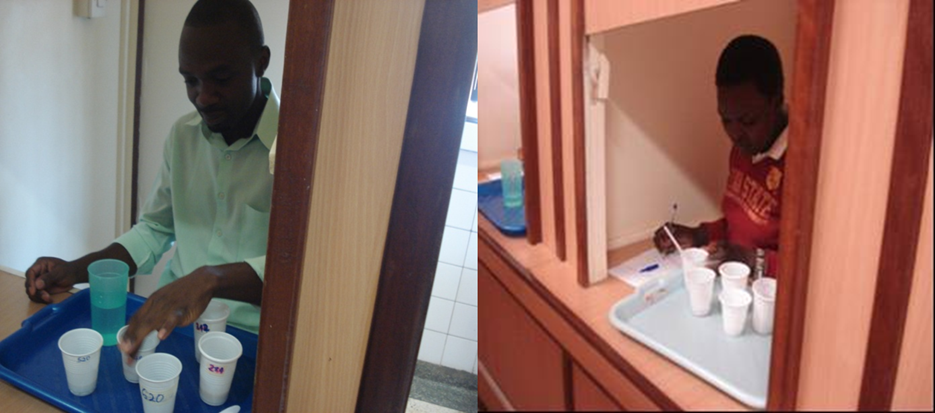
Laboratory Testing of recipes by trained panel
4. Achievement II: Building the Community-Anchored Delivery System
A cornerstone of the project’s success was the establishment of a robust local infrastructure designed not just for intervention delivery but for co-governance and sustainability.
4.1. Quantifying Engagement and Network Establishment
The RMAF (Results-Based Management and Accountability Framework) reported significant engagement figures for the feasibility phase. The project directly accessed 545 direct beneficiaries (mothers, infants, and children below 24 months), including 36 pregnant mothers and 36 lactating mothers involved in the sensitive sensory evaluation exercises.
Critically, the project mobilized a wide network of 656 intermediaries. This extensive network included 72 Village Health Team (VHT) Members, 9 sub-county level local leaders, 20 District Health Team members, and 5 District Technical staff. The high number of engaged intermediaries relative to the initial target population indicates a successful front-loaded investment in social and political infrastructure. This broad institutional and political buy-in is considered vital for overcoming systemic barriers to large-scale intervention adoption, particularly those related to a “lack of harmonization” and “low capacity of implementing agencies” cited in Uganda’s national nutrition strategy. By embedding the innovation within local governance structures, the project minimized the perception of being an “external initiative” and fostered lasting community ownership.
The process developed two key outputs: one nutrient-rich food prototype (Sample 520) and one service delivery model.
4.2. Operationalizing Co-Creation: VHT Capacity Building and Local Realities
The VHT members were designated as the essential frontline workers, necessitating specialized training and validation. The training for 27 Research Assistants (RAs) and VHTs encompassed the ethics of human research, anthropometric measurement procedures, and hands-on preparation of the food product through cooking demonstrations.
This training exposed critical challenges rooted in local social norms. RAs reported that women were reluctant to disclose pregnancies early or show newborns until the umbilical cord had dropped off, reflecting deep-seated cultural caution. Furthermore, the RAs expressed fear regarding high community expectations for material offers, a pervasive issue where external projects are often viewed solely as sources of immediate aid.
The project addressed these operational constraints by clearly communicating that their role was research and feasibility assessment, not clinical treatment or immediate material provision, thereby managing expectations and relying on the VHTs’ local credibility to maintain trust. This confirmation that caregivers desire and require repeated counselling and peer support validates the design of the service delivery model, which must integrate sustained community engagement rather than relying on episodic visits to drive complex behaviour changes related to feeding, hygiene, and product adoption.
5. Nuanced Analysis: Defining Malnutrition as a Systems Problem
The empirical data and the qualitative findings from the Luuka project strongly reinforce the fundamental conclusion that chronic childhood malnutrition is not merely a “food problem” but a “systems problem” characterized by intersecting social, economic, and cultural vulnerabilities.
5.1. Economic Stressors and Detrimental Modernization
The stability of household income and local food production directly dictates dietary adequacy. Limited income forces families to pursue cash crops, often replacing diversified food gardens or necessitating the sale of nutritious home-grown food. This economic pressure exacerbates seasonal hunger and limits the resources available to sustain diverse diets throughout the year.
Furthermore, modern conveniences sometimes inadvertently undermine traditional nutritional practices. Local VHTs pointed out that the traditional practice of fermenting maize (which enhances nutrient absorption) has been abandoned, and current commercial maize mills often remove nutritious husks during processing, resulting in less nutritious staple foods. This deterioration in quality, driven by a poorly managed transition to modernization, contributes significantly to nutritional deficiencies despite overall food availability.
5.2. Pervasive Cultural Barriers and Food Taboos
Cultural beliefs impose direct, localized constraints on optimal feeding practices, particularly affecting the most vulnerable groups: pregnant/lactating women and young children.
Specific food taboos identified in Luuka included:
- Fish (Mukene) Restriction: Households associated with traditional healers (herbalists) deny all family members, including vulnerable children and mothers, this affordable source of protein, calcium, and zinc.
- Egg Restriction: Eggs, a vital source of protein, are restricted from babies because of the local belief that they “hinder teeth development”.
- Postpartum Diet: Women who have recently given birth are discouraged from consuming nutritious staples like Kalo (millet) and sweet potatoes due to the belief they cause diarrhea.
These cultural barriers translate directly into nutrient deficits during the critical ,000-day window, often leading to monotonous diets, pre-lacteal feeding, and delayed introduction of complementary foods. Interventions must therefore combine scientific knowledge with tailored behaviour change strategies designed to overcome these long-standing, community-specific beliefs.
5.3. Intersecting Health and Hygiene Deficits
Malnutrition is intrinsically linked to concurrent poor health conditions and inadequate public health environments. Caregivers universally report facing the burden of infectious diseases such as malaria, anaemia, and recurrent childhood illness. These illnesses increase nutrient requirements, impair appetite, and compromise nutrient absorption, trapping children in a cycle of illness and malnutrition.
Moreover, deficiencies in Water, Sanitation, and Hygiene (WASH) practices, such as the use of un-boiled water and poor hygiene habits, drive diarrheal episodes. Diarrhea is a leading cause of stunting and wasting, directly undermining the goals of nutritional supplementation. Therefore, any future solution must consciously integrate nutrition interventions with the provision of health, WASH, and maternal care services, confirming that the solution must combine nutrition + health + community systems.
| Area of Vulnerability | Specific Challenge in Luuka District | Malnutrition Outcome and Implication |
| Socio-Economic | Limited income; focus on cash crops (sugarcane) over diverse food crops. | Drives seasonal hunger; limits diverse nutrient intake; creates financial vulnerability. |
| Cultural Taboos | Herbalist households deny fish; eggs restricted from infants. | Denial of crucial protein, zinc, and calcium during formative growth periods. |
| Health Burden | High rates of malaria, anaemia, recurrent childhood illness. | Increases nutrient requirements; compromises nutrient absorption and immunity. |
| Processing/Hygiene | Abandonment of traditional processing (fermentation); poor sanitation (un-boiled water). | Loss of nutritional quality (digestibility); increases recurrent diarrheal disease and stunting risk. |
| Delivery Mechanism | Caregivers require repeated counselling and peer support to change feeding habits. | Necessity for continuous, intensive Behaviour Change Communication (BCC) anchored by VHTs. |
6. Strategic Road Map: Scaling the Integrated Innovation
The successful feasibility phase in Luuka provides essential guidance for the next innovation pathway, demanding a shift from local prototype validation to national efficacy proof and scale-up planning.
6.1. From Feasibility to Efficacy: The Need for Rigorous Trials
The established success of Sample 520 in terms of acceptability must now be backed by rigorous evidence of clinical impact. The pathway requires significant forward investment and continued methodical research.
The definitive next step is to conduct rigorous field trials focusing on three outcome measures: adoption rates, nutritional impact (measured through anthropometrics), and the cost-effectiveness of the delivery strategy. This process will confirm that the prototype is not only used but actively prevents malnutrition. Furthermore, the strategic plan calls for testing the developed product in a clinical setting among a purely malnourished target population to understand its therapeutic effectiveness. This two-pronged approach—testing prevention at the community level and treatment efficacy clinically—is critical for securing the evidence needed for policy adoption and long-term funding.
6.2. Product and Production Pathway Optimization
The long-term sustainability and scalability of the innovation require finalizing the Sample 520 prototype and exploring commercial manufacturing avenues.
The product must be enhanced to maximize its public health impact. To address the pervasive issue of anaemia, the project plans to explore the possibility of adding a fortificant to comply with Uganda’s National Food Fortification guidelines, making the food richer in essential micronutrients.
Crucially, the production model must be refined for low-income settings. Recognizing that large-scale production using local technology requires accurate forecasting, the team intends to undertake further research into the product development process and conduct a detailed cost-benefit analysis of different production options. This analysis will determine the most appropriate local manufacturing and commercialization pathways, aiming for the eventual goal of marketing the product at a national level to save lives. This proactive approach ensures the innovation remains affordable and locally viable when scaled.
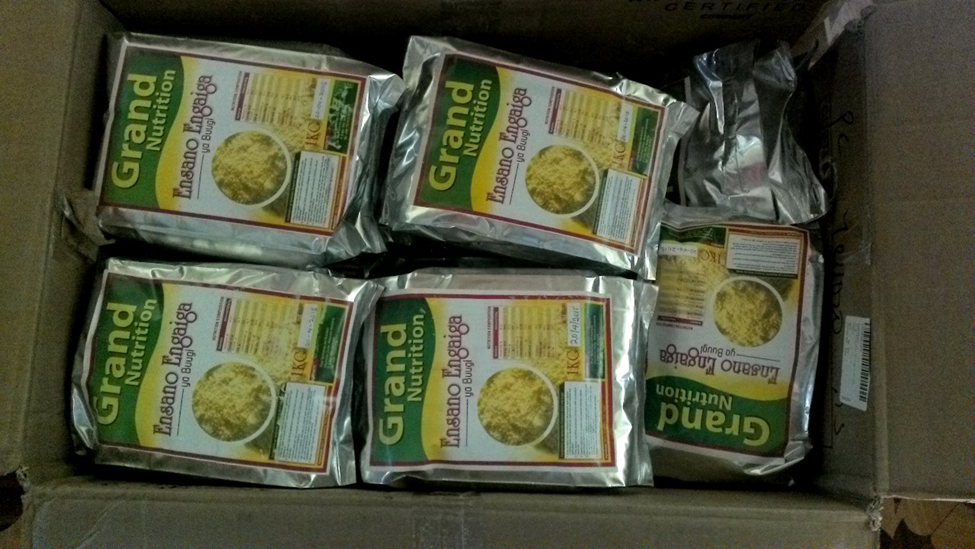
GCC food product.
6.3. Strengthening the Continuum of Care through VHT Systems
The delivery model must leverage the established VHT network and evolve into a sustained, high-intensity support system to counter the complexity of behaviour change.
The operational strategy mandates strengthening community-based nutrition counselling and VHT systems. Based on the observation that behaviour change requires ongoing support, the new approach will shift toward intensive (monthly) group nutrition education programs. These intensive sessions will integrate data collection on nutritional status with essential product re-filling, achieving three major objectives within a single community interaction. VHTs will also lead focused individual counselling for mothers of children borderline or severely malnourished, ensuring timely referral to health facilities.
This sustained, localized effort, built on the successful engagement of 72 VHT members in the feasibility stage, is non-negotiable for ensuring that the intervention reaches the poorest and most vulnerable children, thereby countering the limitations of traditional top-down interventions.
6.4. Advocacy and Multi-Sectoral Partnership for Policy Integration
Successful scaling depends heavily on securing high-level political commitment and integrating the intervention into existing health and agricultural frameworks.
The project demonstrated early political savvy by involving Ministry of Health officials in the initial stages to secure necessary policy buy-in and advise on the timeline for policy adoption of the study’s findings. This proactive engagement resulted in Makerere University School of Public Health being invited to participate in programming for large-scale collaborations, where the innovation is appreciated and positioned to lead the nutrition objective across five districts in Eastern Uganda. Future advocacy efforts will involve the local political wing to mobilize neighbouring leaders in the region, promoting the eradication of malnutrition through coordinated action.
To ensure multi-sectoral resilience, the planned pathway includes explicitly addressing multi-sectoral gaps faced by rural families, requiring the integration of services spanning malaria control, sanitation, maternal health, and early childhood development. The project continues to cultivate strategic partnerships with the World Health Organisation (WHO), UNICEF, the Ministry of Health, and the Resilient Africa Network (RAN), which is actively seeking to sponsor students with innovative ideas in health and nutrition to support the target community further. This comprehensive web of collaborations ensures the innovation is systemically aligned with broader child-health and development needs.
Conclusion: Guiding a New Generation of Nutrition Solutions
The Grand Challenges Canada-supported feasibility study in Luuka District has yielded powerful and enduring lessons for nutrition innovation in low- and middle-income countries. The project successfully demonstrated that it is possible to produce a high-quality, scientifically sound, and culturally acceptable complementary food prototype (Sample 520) using entirely local resources and processing methods. The central finding confirms that community ownership, driven by local preference for taste and texture, is the single most critical factor for sustainable product uptake.
The integrated model revealed that translating product feasibility into national nutritional impact mandates a systemic response to intersecting vulnerabilities. This requires overcoming deep-seated cultural barriers (such as food taboos against fish and eggs), countering the detrimental effects of rapid economic modernization (e.g., loss of fermenting practices), and aggressively tackling co-morbidities like malaria and poor hygiene through enhanced public health systems. The next phase is strategically designed to generate the clinical and cost-effectiveness data required for national policy integration and scale, building on a foundation of scientific rigor, community trust, and unprecedented multi-sectoral collaboration with both political leadership and development partners. These achievements prove that rural communities are not passive beneficiaries, but essential co-creators of sustainable, life-saving solutions.