Published By BHF | November 2, 2025
Article by: Akongo Dorothy, and Tatumwa Desmond Benjamin
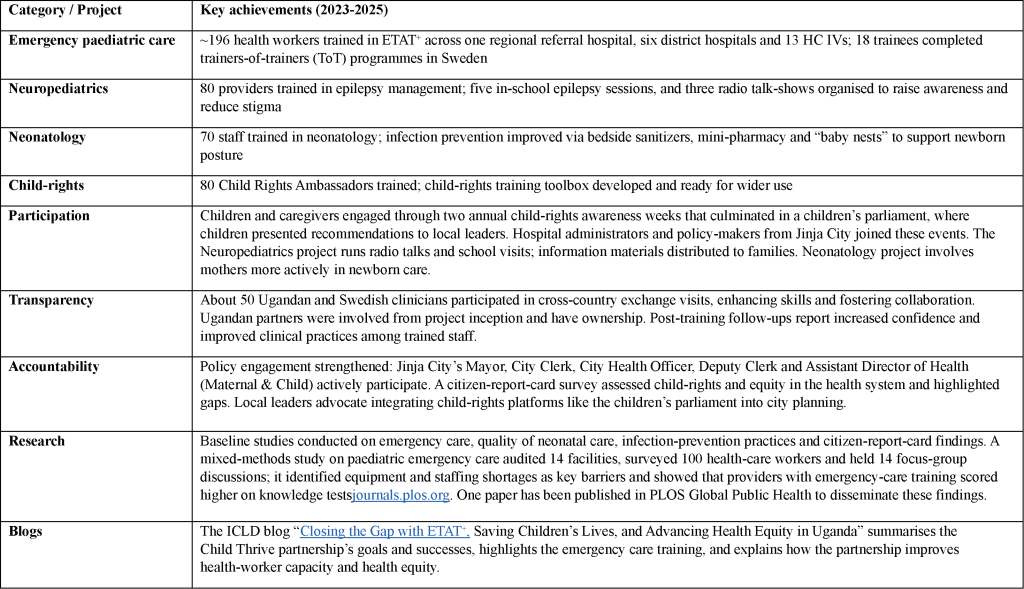
The Child Thrive Partnership is a unique four-in-one project and involves the partnership of two municipal councils, The Region Stockholm and Jinja city, two civil society organizations; Busoga Health Forum and Pediatric Health Initiative and the two hospitals Jinja Regional Referral Hospital and Astrid Lindgren Children’s Hospital. The four projects included in this partnership are: Emergency pediatric care, Pediatric Neurology, Neonatology and Child rights project. Below is a summary of major achievements;
Equity
Trained health workforce that strengthens the inclusive health care provided to the children in the region. Health workers from both participating countries have participated in exchanges which have exposed them to increased understanding of health systems in other countries and the impact of global inequities.
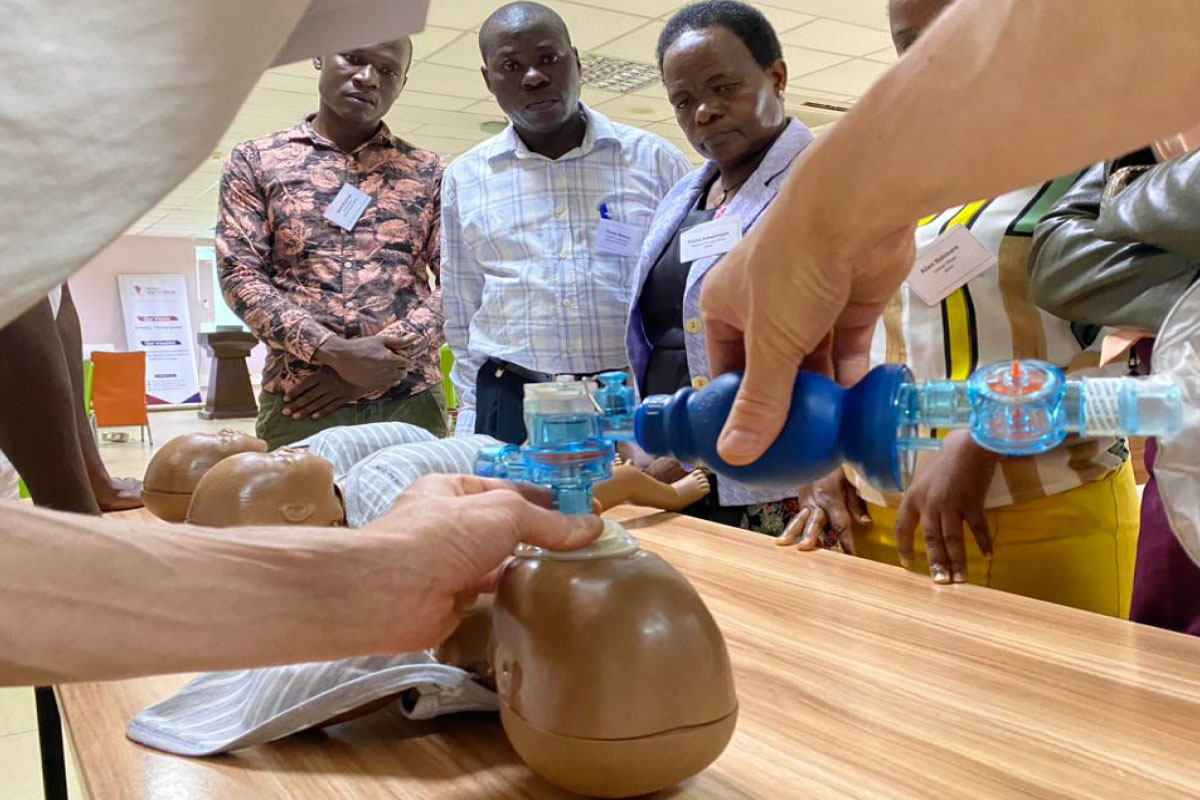
The emergency project has trained 196 health workers in emergency pediatric care that provide timely and life-saving interventions at health facilities in the region. The training has been developed in collaboration with Uganda Ministry of Health as part of a nationwide attempt to implement updated emergency care guidelines. Health workers from one regional referral hospital, six district hospitals and 13 health center IVs have been trained. Out of 196, 18 health care providers have done the trainers of trainees’ program in Sweden and have been recognized by the Ministry of Health as regional and national ETAT trainers.
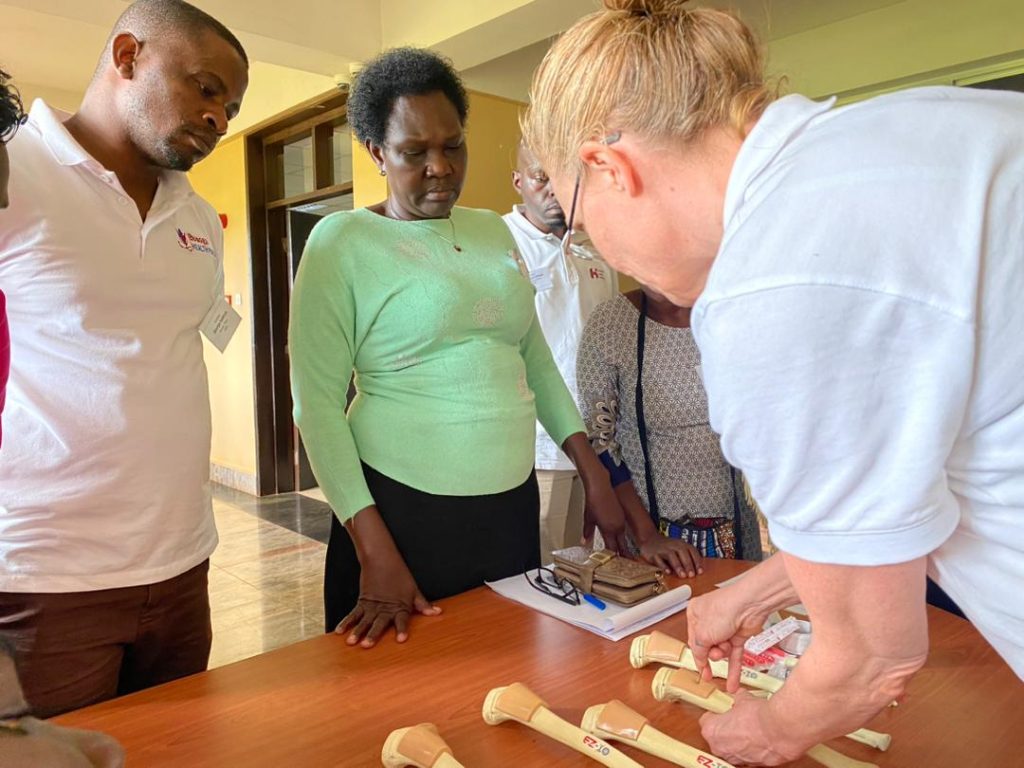
Prof. Helena Hildenwall demonstrates the proper technique for inserting an intraosseous (IO) line during a paediatric emergency care training session for health workers in Jinja.
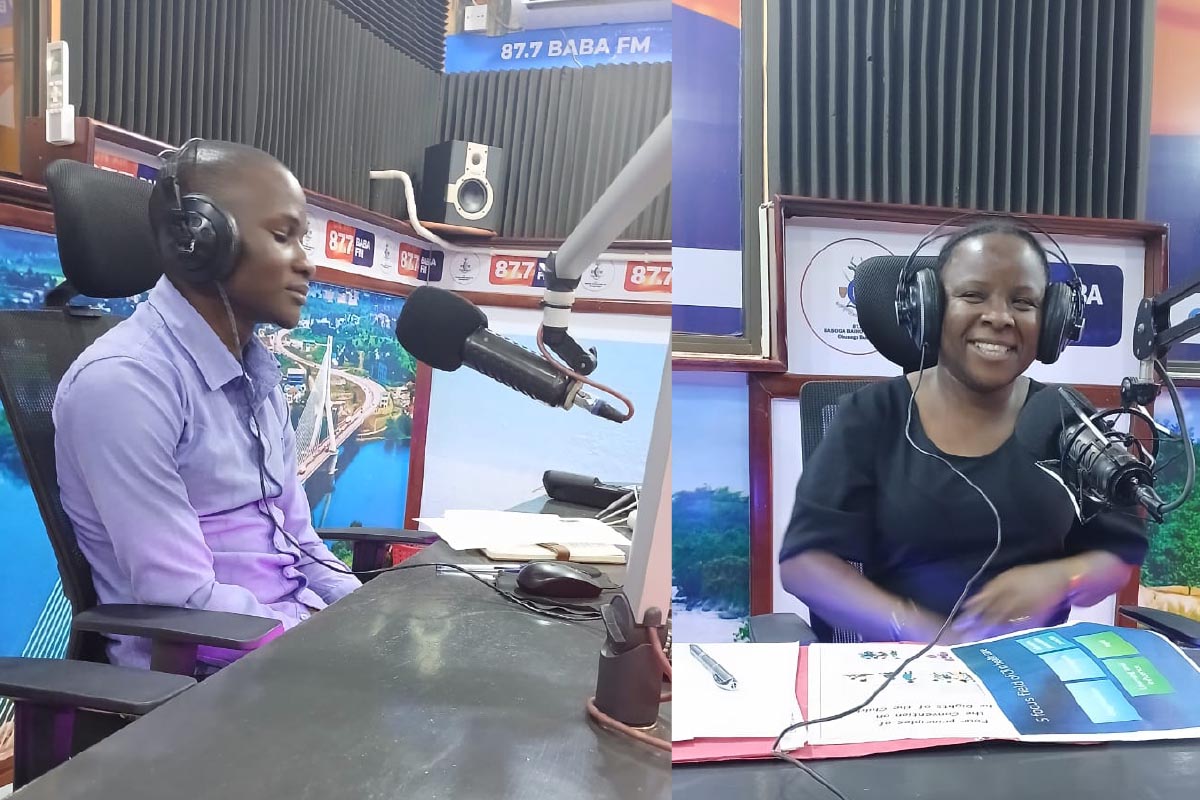
Eighty health care providers trained in epilepsy management now better assess and manage children with seizures, developmental delays, and neurological conditions. Five (5) in school Epilepsy information sessions have been conducted plus three (3) radio talk shows in Baba and Busoga one to increase the awareness of Epilepsy in the region and reduce stigma.
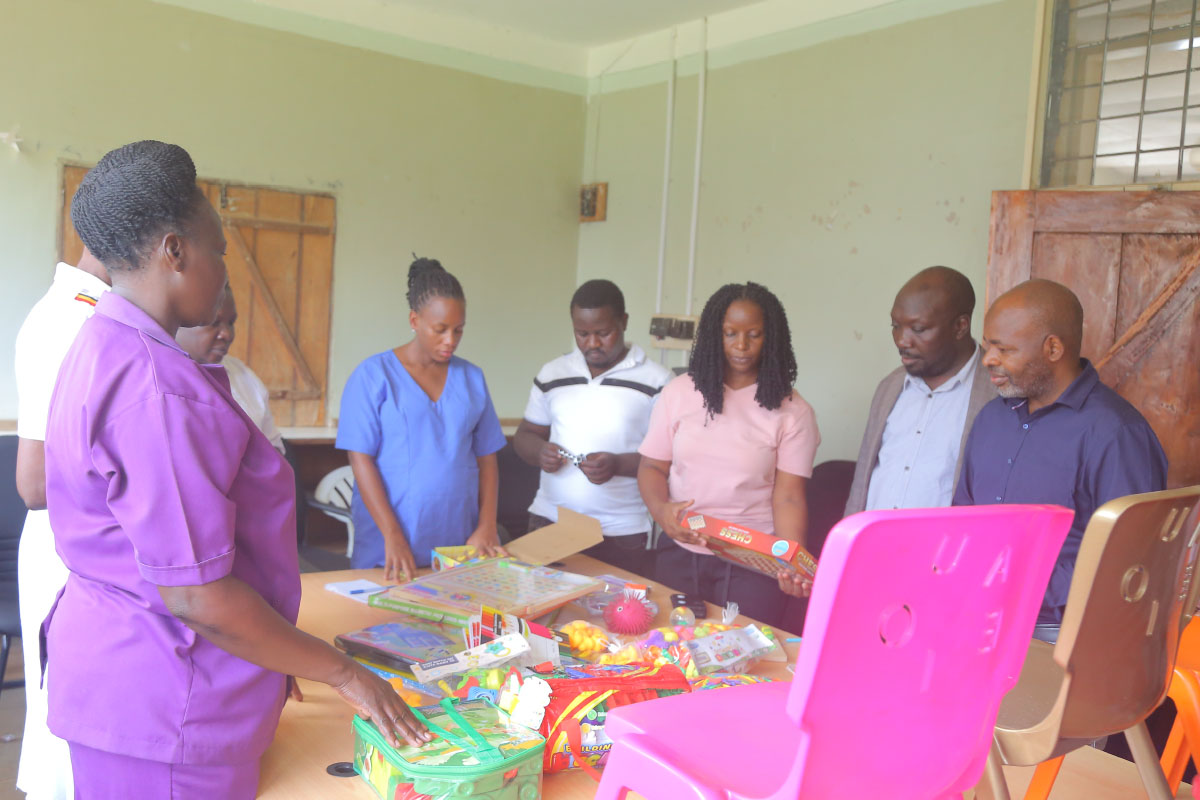
70 neonatology-trained staff are improving survival outcomes for newborns, especially premature and low birthweight babies. Infection prevention control has been improved at the NICU with bedside sanitizers and min pharmacy available at the unit. Baby nests have also been introduced to support the neonates with posture.
80 Child Rights Ambassadors have been trained and are actively sensitizing communities on children’s rights and reporting abuse or neglect, strengthening child protection at grassroots level. We developed a child rights training tool box and planning to share with a wider group
Participation
Children’s voices in health care is improved with the involvement of hospital administration and policy makers.
Through the child rights project, children have had an engagement in a formal to express their voices, share concerns, and make recommendations to local leaders, leading to increased visibility and inclusion in decisions. Two child rights awareness weeks have been conducted and it attracted the children, care givers, community and the hospital administrators who pledged support. During the child rights awareness week, the first ever children’s parliament was conducted and children were able to raise their voices on the kind of facility they need.
The neurology project has engaged in radio talks and school visits to enhance epilepsy awareness and reduce stigma in the public. The project has also developed information material for the health facilities to be shared with affected children and their families.
The neonatology project actively works with increased involvement of mothers in the care of their newborns.
Transparency
In all projects, Swedish and fifty (50) Ugandan health professionals have participated in exchange visits, learning from each other’s systems, improving skills, and building lasting collaborations. The Ugandan team were involved from the project inception and they have taken ownership of the project. Post-training follow-ups show increased confidence and competence among trained staff, with reported improved clinical practices and decision-making.
Accountability
Policy Engagement and Political Will Strengthened: The project successfully engaged local politicians and policymakers, leading to greater prioritization of child health and rights in district development agendas. The leadership of Jinja City involved in the project include the City Mayor, the City Clerk, the City Health Officer, the City Deputy Clerk and the ADHO Maternal and Child.
We performed a Citizen Report Card assessment which highlighted issues within Jinja City in relation to the consideration of child rights and equity within the health system.
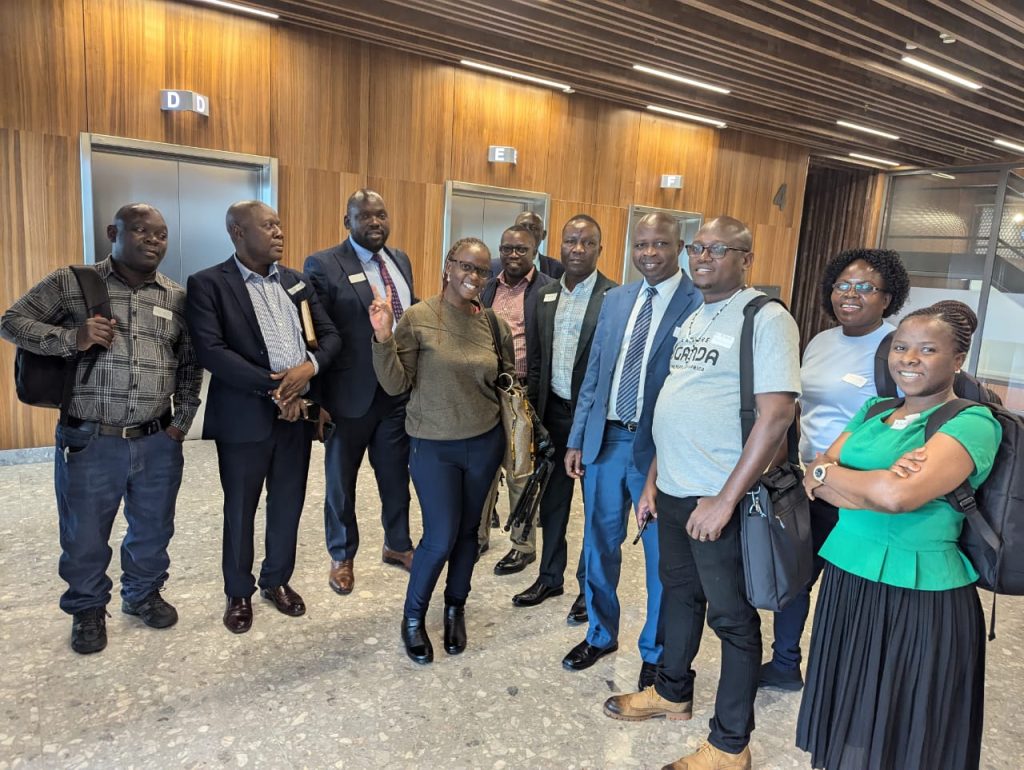
The ED, Busoga Health Forum, City Health Officer, Area Member of Parliament, Jinja Regional Referral Hospital Director and City Mayor, join the Child Thrive Partnership exchange visit in Sweden. The engagement strengthened collaboration between Jinja’s political, administrative, and health leaders, fostering greater commitment to advancing child health, equity, and rights within the city’s development agenda.
Research
The project has conducted several research activities with baseline surveys that informed the intervention. The research conducted include, baseline emergency care research, baseline quality of care research, infection prevention and citizen report card surveys. We have so far published one paper to share knowledge; Capacity for delivery of paediatric emergency care and the current use of emergency triage, assessment and treatment in health facilities in the Busoga region, Uganda—A mixed methods study
Summary of Achievements