Published By BHF | June 9, 2026
By Tatumwa Desmond Benjamin
As Uganda prepares to commemorate World Sickle Cell Day 2026, Busoga Health Forum (BHF) has joined the Ministry of Health and partners in a series of community outreach activities aimed at increasing awareness, expanding screening services, and improving access to treatment for individuals living with sickle cell disease across the Busoga sub-region.
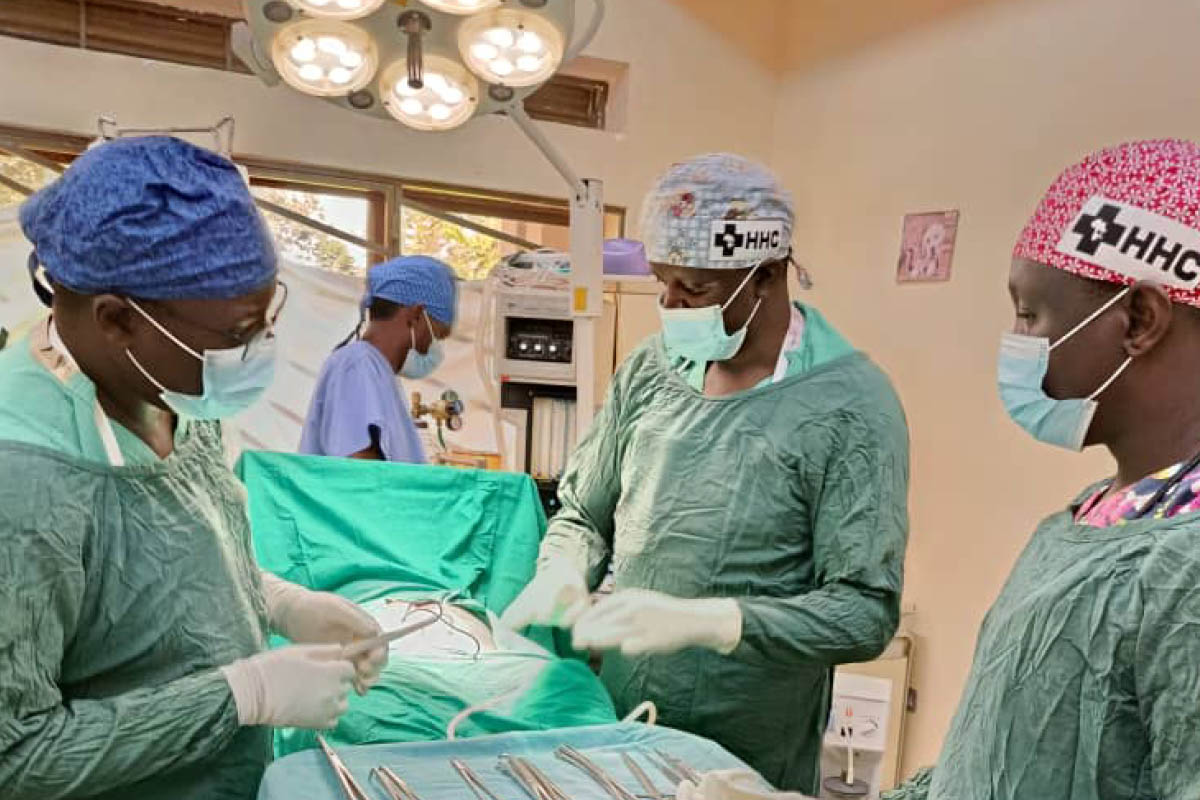
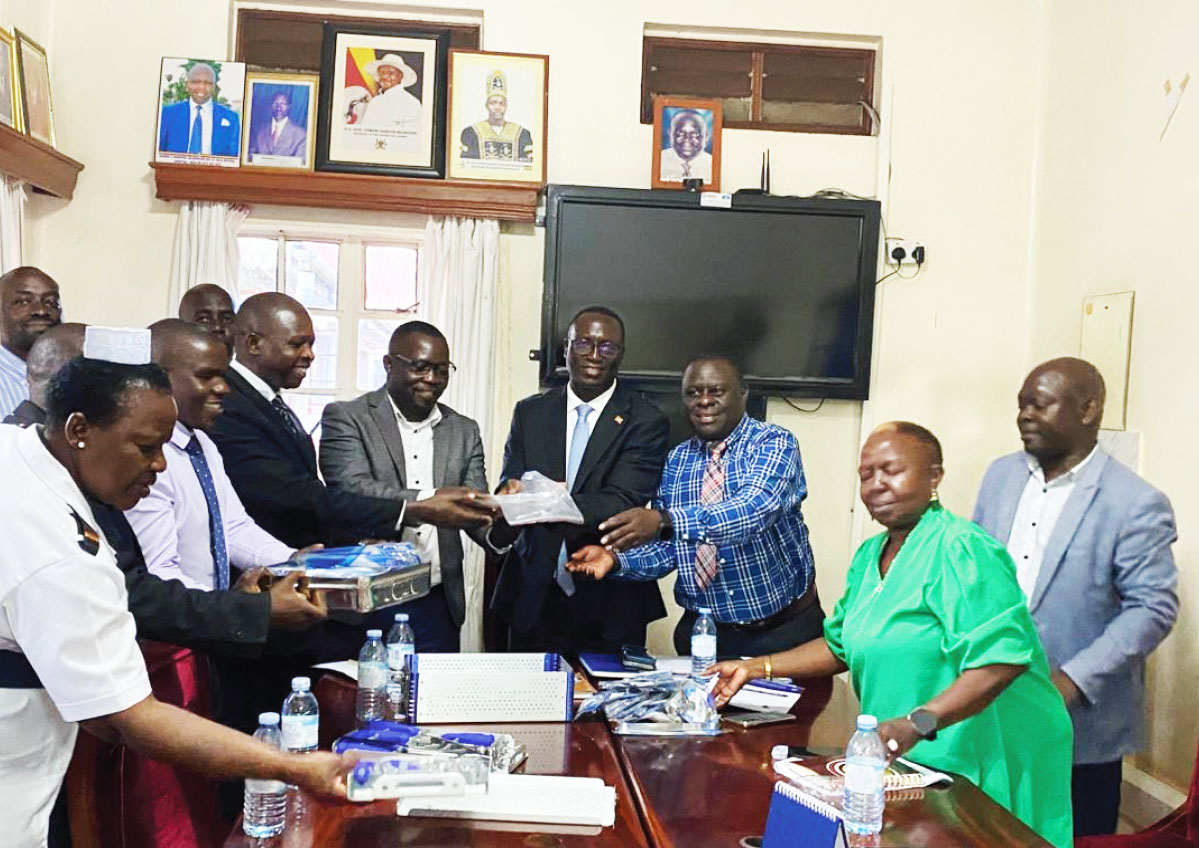
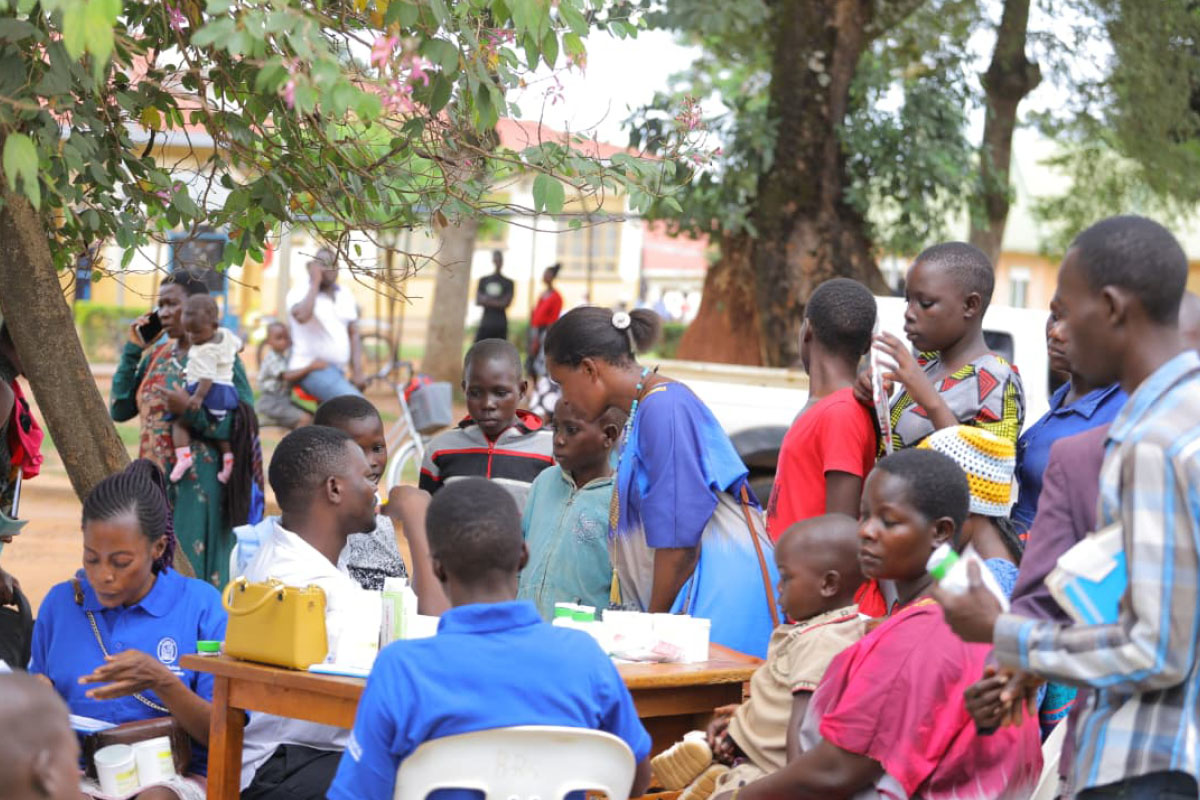
The outreach activities, conducted through medical camps at Kamuli General Hospital, Iganga General Hospital, and Nalufenya Children’s Sickle Cell Clinic at Jinja Regional Referral Hospital, brought together the Ministry of Health, Joint Clinical Research Centre (JCRC), Terumo Blood and Cell Technologies, district local governments, healthcare workers, community leaders, and civil society organizations under the IMARA Sickle Cell Framework.
For Busoga Health Forum, participation in the initiative reflects its continued commitment to strengthening community health systems, promoting disease prevention, and supporting access to quality healthcare services for vulnerable populations.
Sickle cell disease remains a major public health challenge in Uganda. According to Dr. James Peter Kitonsa, a Pediatrician at Jinja Regional Referral Hospital, an estimated 20,000 to 25,000 children are born with sickle cell disease annually in Uganda, with Busoga remaining one of the regions carrying a significant burden of both sickle cell disease and sickle cell trait.
“Many families continue to face challenges related to delayed diagnosis, recurrent illness and limited access to treatment,” Dr. Kitonsa explained.
At Nalufenya Children’s Hospital, one of the largest sickle cell clinics in Eastern Uganda, approximately 800 children are attended to every month. Many of these children experience recurrent painful crises, frequent hospital admissions, and complications associated with limited access to hydroxyurea and blood transfusion services.
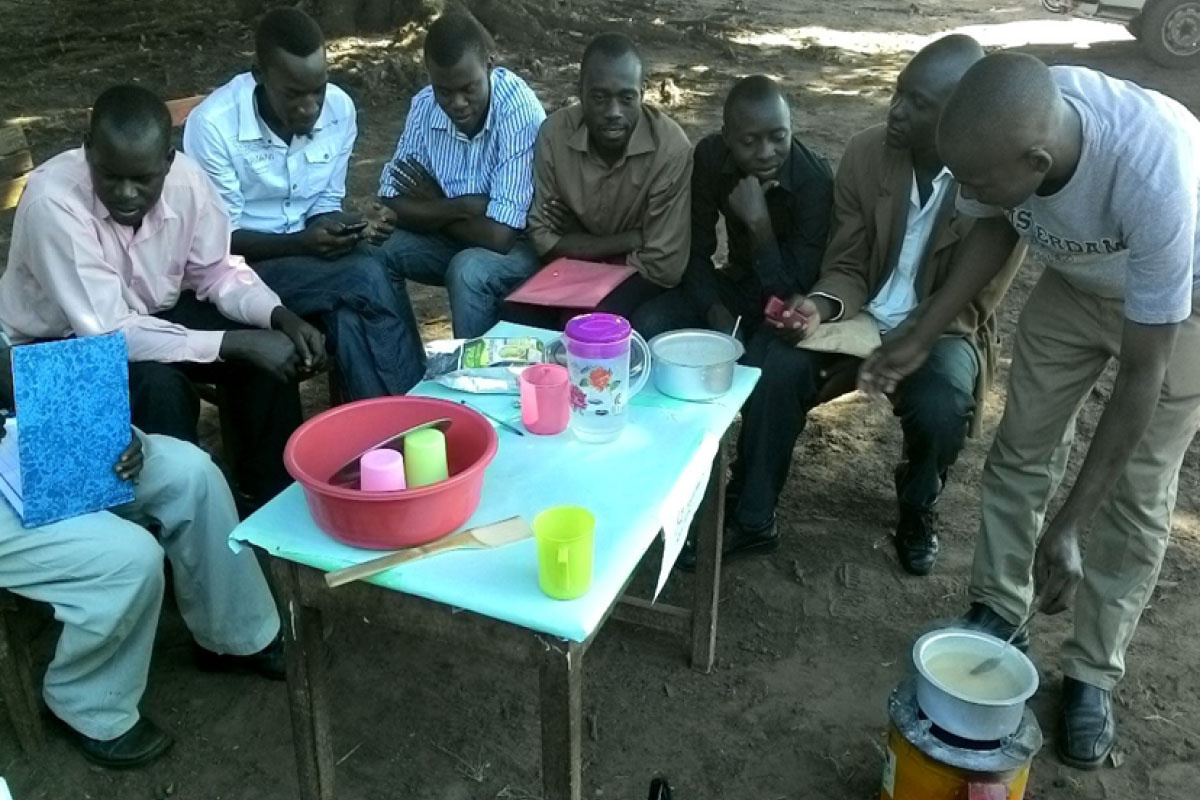
Recognizing these challenges, the outreach camps provided free sickle cell screening, counselling, clinical reviews, health education, and hydroxyurea refills for children living with sickle cell disease. The camps also offered an opportunity for parents and caregivers to receive information on disease management, nutrition, infection prevention, and the importance of routine follow-up care.
Busoga Health Forum played an important role in community mobilization, health communication, stakeholder coordination, and public awareness efforts leading up to the camps. Through its extensive network of healthcare professionals, community structures, digital platforms, and media partnerships, BHF helped amplify messages encouraging individuals and families to know their sickle cell status and seek screening services.
According to Dr. Francis Kanyike of JCRC, community awareness and screening remain critical tools in reducing the future burden of sickle cell disease.
“The burden of sickle cell disease in Busoga remains high. Every person should know their sickle cell status. When individuals understand whether they carry the sickle cell trait, they can make informed decisions and help prevent the continued transmission of the disease to future generations,” he said.
Beyond the medical services provided, the outreach activities strengthened collaboration among health facilities, researchers, policymakers, development partners, and communities working toward a common goal of reducing preventable illness and deaths associated with sickle cell disease.
The activities also form part of preparations for the national commemoration of World Sickle Cell Day scheduled for June 19, 2026, in Jinja District under the theme: “Building and Strengthening Sickle Cell Communities in Uganda Through Nationwide Screening and Knowing Your Sickle Cell Status.”
The initiative supports implementation of the IMARA Sickle Cell Framework, a regional program being implemented in Uganda, Kenya, and Côte d’Ivoire to strengthen comprehensive sickle cell care systems. The framework focuses on improving community awareness, screening and diagnosis, linkage to care, treatment access, blood supply systems, healthcare worker capacity, and long-term management of sickle cell disease.
As Busoga continues to face a high burden of sickle cell disease, Busoga Health Forum remains committed to supporting efforts that bring healthcare services closer to communities, strengthen health literacy, and improve health outcomes for children and families affected by the condition.
The success of these outreach camps demonstrates the power of partnerships in addressing complex health challenges and highlights the importance of sustained investments in awareness, screening, treatment, and community engagement. Through collective action, Busoga can move closer to a future where every individual knows their sickle cell status and every child living with sickle cell disease has access to the care they need to live a healthy and productive life.